FIND YOUR SKILLS-FIRST
ADVANTAGE
Learn why — and how — making STARs part of your hiring strategy puts you ahead of your peers.

The movement is already underway.
Employers consistently say they can't find workers with the right skills, that they aren't prepared for jobs of the future, and that they worry about their talent pipeline. But many of them are unintentionally limiting their access to talent.
STARs develop valuable skills through alternative routes like community college, training programs, military service, or on the job. Research from Opportunity@Work proves that STARs build skills in lower-wage jobs that overlap significantly with more advanced, higher-wage roles. So why aren't STARs thriving at American companies?
Hiring practices that rely on bachelor’s degree screens, preferred recruiting sources, or personal referrals are using those things as a proxy for skills. Those practices were based in part on the myth that "no degree means no skills", and they helped create the paper ceiling.
A growing number of companies have identified this as a moment to get ahead. They're removing degree requirements, recruiting from more diverse talent sources, and building internal pathways for STARs to move up into hard-to-fill roles. Will you tear the paper ceiling with them?
Skills-first hiring focuses on a candidate's demonstrated skills and competencies as the primary qualification for a role. It's rooted in a basic idea: the skills you have matter more than where you got them.
Critics frame the expense of switching to skills-first hiring as prohibitive. They may be missing the very tangible benefits — and the hidden costs of the status quo.
As much as 80% of employee turnover results from bad hires, as reported by Harvard Business Review. Meanwhile, research from LinkedIn shows that hiring managers who start with skills are 60% more likely to find a successful hire.
There's more: according to the Society for Human Resource Management (SHRM), skills-first hiring reduces cost-per-hire by 30%. STARs also improve retention. A report from e shows that STARs tend to stay 34% longer.
.png)
Skills-first practices tangibly improve hiring outcomes
See The Impact

STARs and companies
share their paper ceiling.
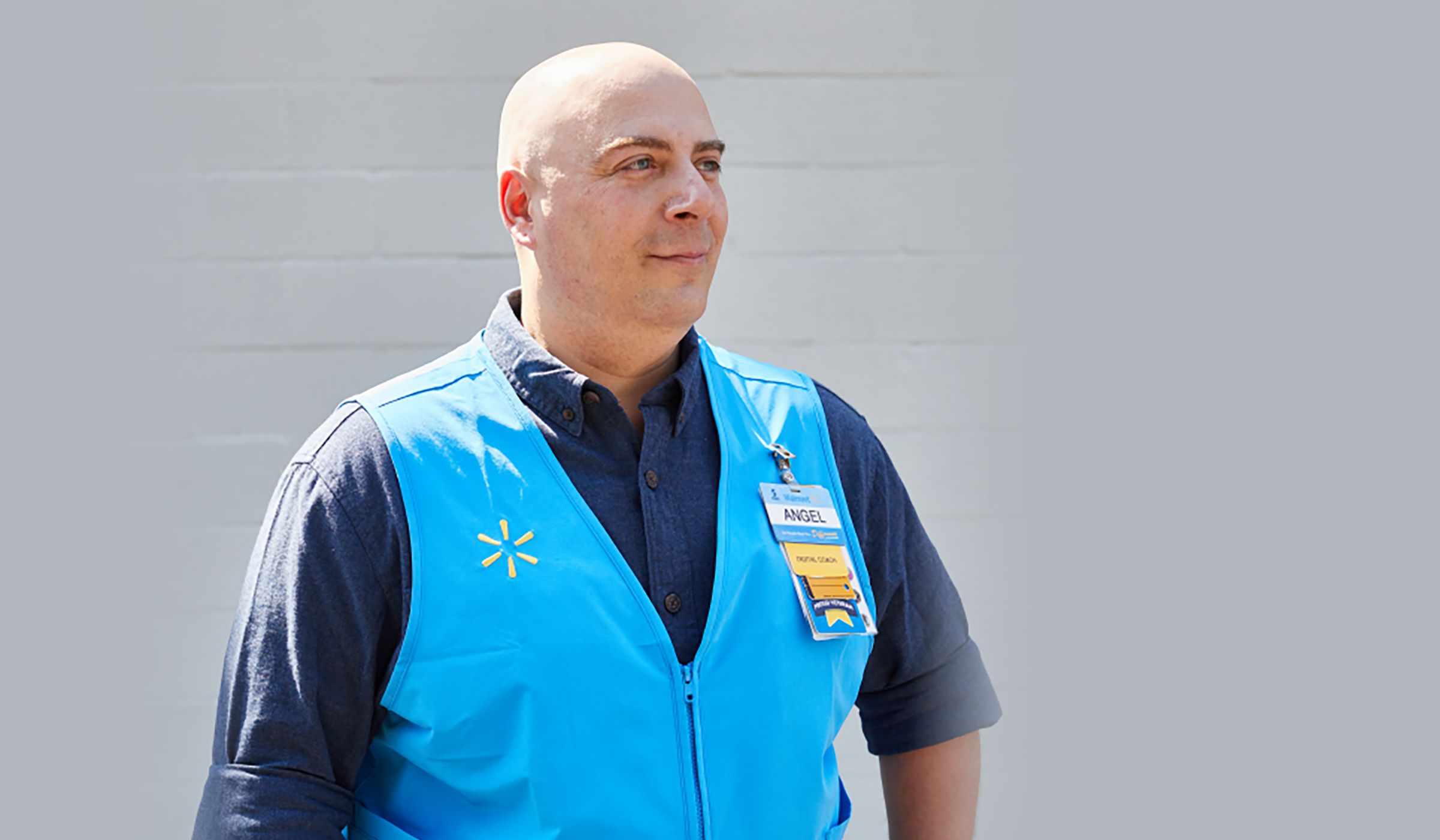
Get inspired by stories of STARs and companies tearing the paper ceiling, then create a custom story card to share your own story on social media. Every story matters, especially yours.









Start Tearing Here
Below are 3 resources to learn more about STARs and skills-first hiring. Scroll down for the full resource library.
Exclusive for Lightcast customers:
Employer Resource Library










Join your peers in
signing the pledge
Tear
the Paper Ceiling
I support the 75+ million American workers who are STARs, and acknowledge that I play a role in breaking down the barriers they face.
I pledge to help shatter stereotypes and misconceptions about STARs, and to define everyone by the skills and experience they have rather than by what's missing.
I pledge to recognize the untapped potential of the STARs in my life, and to vocally support career pathways for STARs in my own workplace or community.
I pledge to tear the paper ceiling, to see the world beyond it, and to let STARs shine.
Thanks for signing the pledge.
You’ve taken the first step in tearing the paper ceiling. Stay tuned for important updates, information and stories related to the campaign.
total Signatures